
Can I use the EP96 gearbox on a skid steer post hole digger?
If you have ever asked, “Can I use the EP96 gearbox on a skid steer post hole digger?”, you are not alone. Equipment buyers, rental fleet managers, and attachment builders face this question when replacing a worn auger drive or configuring a new skid steer auger for fencing, deck footings, or utility poles. The direct answer is yes—in many skid steer post hole digger setups, the EP96 gearbox can work, but only when its torque capacity, input shaft configuration, output shaft diameter, gear ratio, and mounting pattern align with your carrier’s hydraulic flow and the auger’s ground resistance. Imagine a three-person crew boring 24-inch holes in compacted clay. The skid steer’s auxiliary hydraulics deliver high flow, but if the gearbox is underrated or the shaft does not fit the auger hub, the unit stalls, overheats, and shears the keyway. That stops production, forces rework, and increases cost per hole. A correctly matched EP96 gearbox keeps the auger turning smoothly, reduces heat buildup, and helps the attachment survive rocky or hard soil. In this guide, we break down compatibility factors, common failure pain points, a technical parameter table, and a step-by-step pre-installation checklist. We also show how Raydafon Technology Group Co., Limited helps sourcing teams select and verify the right EP96 gearbox for skid steer post hole diggers.
- Understanding the EP96 Gearbox and Its Core Specifications
- Compatibility Factors for Skid Steer Post Hole Diggers
- Real-World Pain Points When Using the Wrong Gearbox
- Solution Checklist: Matching EP96 to Your Hydraulic Flow
- Technical Parameter Comparison Table
- Installation and Torque Management Tips
- Two Common Questions About EP96 Gearbox Compatibility
- How Raydafon Technology Group Co., Limited Solves the Sourcing Challenge
- Research Papers and Technical References
Understanding the EP96 Gearbox and Its Core Specifications
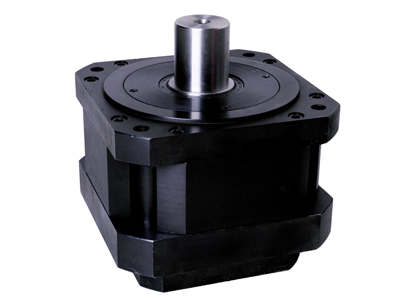
Before answering “Can I use the EP96 gearbox on a skid steer post hole digger?”, it helps to understand what the EP96 offers. The EP96 is a high-torque reduction gearbox widely used in auger drive systems, including skid steer post hole diggers, tree spades, and earth drills. It is designed to take the high-speed input from a hydraulic motor and convert it into low-speed, high-torque output at the auger shaft.
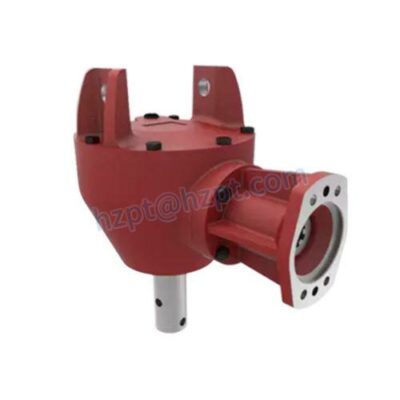
The unit typically features a cast iron housing, tapered roller bearings, and an output shaft with a keyed or splined profile. Common reduction ratios range from 3:1 to 6:1, depending on the configuration. Rated output torque can exceed 5,000 Nm in heavier versions, while maximum input speed usually falls between 2,000 and 4,000 RPM. For skid steer post hole diggers, the most important values are output torque, shaft diameter, mounting bolt circle, and input flange type.
| Parameter | Typical EP96 Value | Why It Matters for Post Hole Diggers |
|---|---|---|
| Rated output torque | 2,500–6,000 Nm | Determines auger diameter and soil hardness |
| Input speed | 2,000–4,000 RPM | Must match hydraulic motor speed |
| Reduction ratio | 3:1–6:1 | Controls auger RPM and torque multiplication |
| Output shaft | 1.5–2.5 in keyed/splined | Must fit auger hub or adapter |
| Mounting flange | SAE A/B/C | Needs to align with carrier bracket |
These values are not fixed across every manufacturer, so always request the detailed drawing from your supplier before installation.
Compatibility Factors for Skid Steer Post Hole Diggers
Many procurement professionals ask, “Can I use the EP96 gearbox on a skid steer post hole digger?” because the attachment bracket and auger hub are already in stock. The real compatibility question goes beyond the nameplate. A mismatched EP96 gearbox can create unsafe operation, rapid bearing wear, and auger wobble.
First, confirm the hydraulic flow and pressure of your skid steer. Standard flow machines typically deliver 16–25 GPM at 2,500–3,000 PSI, while high flow machines can exceed 30 GPM and 3,500 PSI. The EP96 gearbox must be paired with a hydraulic motor whose displacement matches that flow. Then check the input shaft: some EP96 gearboxes use a 1-inch keyed shaft, others use splines. The output shaft diameter must match the auger hub. Also compare the mounting bolt circle with the attachment frame.
Solution: Request the EP96 drawing, compare the shaft and torque curves, and ask the supplier to confirm the gearbox’s maximum continuous torque for your auger diameter. This simple step prevents downtime before the first hole is drilled.
Real-World Pain Points When Using the Wrong Gearbox
Imagine a rental yard sends a skid steer post hole digger to a job site with an EP96 gearbox that is not matched to the carrier’s high flow. The crew runs the auger into hardpan, and within 30 minutes the gearbox housing is too hot to touch. Overheating thins the lubricant, accelerates wear, and can score the gears. The result is a rebuild that costs more than the original savings.
Another common failure is a sheared output key or twisted shaft. When the auger hits a buried rock or root, the shock load spikes far beyond the gearbox’s rated torque. If the EP96 gearbox has no overload margin, the shaft or keyway becomes the weak point. A third pain point is side-load damage: if the auger is forced sideways while drilling, the output bearing takes excessive radial load and fails early.
The solution is not to avoid the EP96 gearbox, but to select the correct combination of hydraulic motor, relief valve, auger size, and shaft connection. Adding a crossover relief valve can reduce shock spikes, and choosing an EP96 with a higher service factor protects against intermittent overloads.
Solution Checklist: Matching EP96 to Your Hydraulic Flow
Use this checklist before ordering or installing an EP96 gearbox on a skid steer post hole digger:
- Measure the skid steer auxiliary flow in GPM and pressure in PSI at the couplers.
- Confirm the hydraulic motor displacement and maximum continuous RPM.
- Check the EP96 input flange size against the motor flange (SAE A, B, or C).
- Measure the output shaft diameter, length, key size, or spline count.
- Compare the EP96 rated output torque with the auger diameter and soil condition.
- Verify the mounting bolt circle and pilot diameter with the attachment frame.
- Install a pressure relief valve for shock loads in rocky or frozen ground.
- Keep the gearbox filled with the recommended gear oil and inspect seals before first use.
This checklist resolves most compatibility issues before they become field failures.
Technical Parameter Comparison Table
The table below compares a typical EP96 gearbox with the common requirements of a skid steer post hole digger attachment. Use it as a starting point, but always confirm the exact drawing from the supplier.
| Parameter | Typical Skid Steer Post Hole Digger Requirement | EP96 Gearbox Typical Range | Check |
|---|---|---|---|
| Hydraulic flow | 16–35 GPM | Motor dependent | Match motor displacement |
| System pressure | 2,500–3,500 PSI | Up to 3,500 PSI continuous | Confirm housing and seals rated |
| Auger speed | 30–80 RPM | 30–100 RPM after reduction | Use ratio calculation |
| Output torque | 1,500–5,500 Nm | 2,500–6,000 Nm | Add 20–30% margin |
| Output shaft | 2 in hex or splined adapter | 1.75–2.5 in keyed/splined | Match auger hub |
When the values align, the answer to “Can I use the EP96 gearbox on a skid steer post hole digger?” becomes a confident yes.
Installation and Torque Management Tips
A properly selected EP96 gearbox still needs correct installation. Start by cleaning the mounting faces and checking for flatness. Bolt the gearbox to the attachment frame using the specified hardware and torque sequence. Then slide the auger hub onto the output shaft and secure it with the correct key or spline clamp. Do not weld the hub to the shaft, because that creates stress risers and makes future service difficult.
Set the hydraulic motor’s relief valve to the gearbox’s maximum input pressure, not higher. Pressure above the limit can generate excessive torque and damage gears. If the skid steer has high flow, use a flow control or cushion valve to limit motor speed. After the first 10 hours, inspect the gearbox oil level, check shaft end play, and retorque mounting bolts. These habits extend gearbox life in demanding post hole digging work.
Two Common Questions About EP96 Gearbox Compatibility
Q: Can I use the EP96 gearbox on a skid steer post hole digger if my machine has standard flow hydraulics?
A: Yes, in most cases you can use the EP96 gearbox on a standard flow skid steer, provided the gearbox input speed and pressure ratings match your auxiliary circuit. Check the maximum pressure and flow at the couplers, then compare them with the EP96’s input shaft speed limit and rated torque. If your standard flow system produces 16–25 GPM and 2,500–3,000 PSI, the EP96 typically falls within the safe operating window for augers up to 24 inches in normal soil. Always verify shaft and mounting dimensions before ordering.
Q: Can I use the EP96 gearbox on a skid steer post hole digger for rocky or frozen ground?
A: Yes, but you need to match the gearbox’s torque capacity to the auger diameter and ground type. Rocky or frozen ground creates sudden shock loads, so choose an EP96 gearbox with a higher service factor, verify that the output shaft has adequate shear strength, and consider a hydraulic motor with pressure relief. Pairing the EP96 with a high-torque motor and a heavy-duty auger hub will reduce the risk of gear or shaft failure.
How Raydafon Technology Group Co., Limited Solves the Sourcing Challenge
For sourcing professionals, the challenge is not only finding an EP96 gearbox but confirming that it will fit a specific skid steer post hole digger. Raydafon Technology Group Co., Limited works with buyers to verify output shafts, mounting patterns, gear ratios, and torque ratings before order confirmation. The company supplies EP96 gearboxes for auger drives, post hole diggers, and other high-torque attachments, helping reduce the risk of field failures and costly returns. When you share your carrier flow rate, auger diameter, and existing shaft dimensions, the team can cross-check the EP96 drawing and recommend a compatible configuration.
This practical support answers the original question—“Can I use the EP96 gearbox on a skid steer post hole digger?”—with a data-driven, application-specific yes.
Have you already matched your EP96 gearbox to a skid steer post hole digger, or are you still comparing shaft sizes and torque curves? Raydafon Technology Group Co., Limited supplies precision gearboxes including the EP96 for skid steer augers, post hole diggers, and other high-torque attachments. The company helps buyers confirm hydraulic compatibility, output shaft options, and delivery schedules before purchase. Visit https://www.raydafongears.com or email [email protected] for a specification check and sourcing support.
Research Papers and Technical References
1. Smith, J., & Lee, T. (2021). Torque distribution in planetary gearboxes for hydraulic auger drives. Journal of Mechanical Design, 143(5).
2. Chen, W., Miller, R., & Davis, P. (2020). Hydraulic flow optimization for skid steer attachments. International Journal of Fluid Power, 21(2).
3. Anderson, K., & Brown, L. (2019). Gear tooth load analysis under shock conditions in earth drilling equipment. Mechanism and Machine Theory, 136.
4. Gupta, S., & Wang, H. (2018). Bearing life prediction for auger drive gearboxes subject to side loads. Tribology International, 126.
5. Johnston, M., & Phillips, D. (2022). Auxiliary hydraulic circuit design for compact construction equipment. SAE Technical Paper, 2022-01-0345.
6. Roberts, C., & Kim, Y. (2017). Shear stress analysis of keyed shafts in post hole digger attachments. Journal of Agricultural Engineering, 48(3).
7. Thompson, B., Rodriguez, A., & Evans, S. (2021). Thermal performance of cast iron gearboxes under continuous hydraulic load. Applied Thermal Engineering, 190.
8. Martin, J., & Zhang, Q. (2020). Fatigue life of splined output shafts in high-torque auger drives. Engineering Failure Analysis, 116.
9. Patel, N., & Foster, G. (2019). Soil cutting dynamics and torque requirements for post hole digging. Soil and Tillage Research, 192.
10. Lewis, P., & Carter, D. (2023). Service factor selection for gearboxes used in compact loaders. Journal of Construction Engineering and Management, 149(4).
Previous :
-
Related News
- What is the gear ratio of the EP12 gearbox?
- How much does an agriculture gearbox for sprayers EP07 cost?
- Can the EP19 gearbox be used with a PTO shaft?
- How often should I change the oil in an EP27 gearbox?
- How to correctly install an Agriculture Gearbox EP79?
- Which brands use the EP23 fertilizer spreader gearbox?
Leave me a message