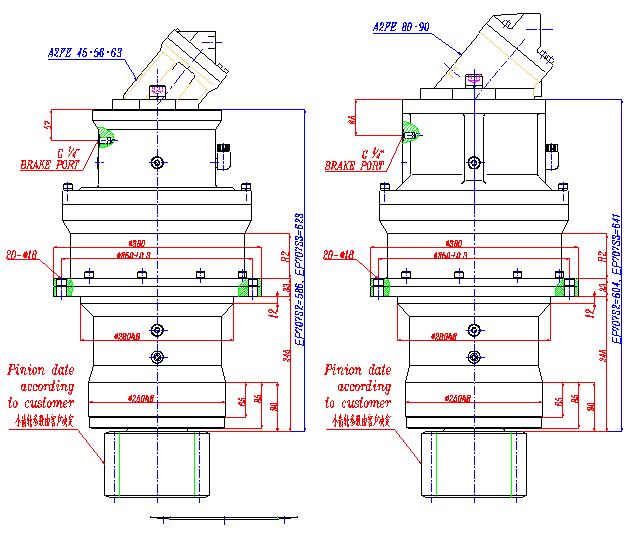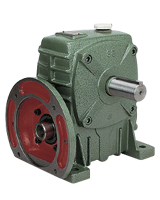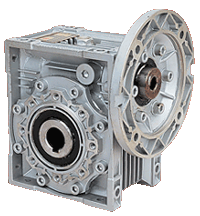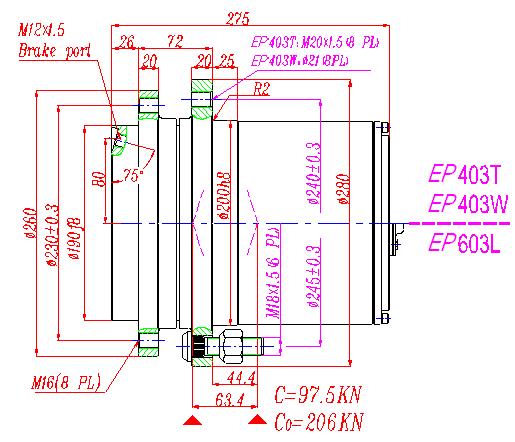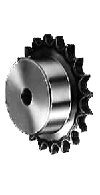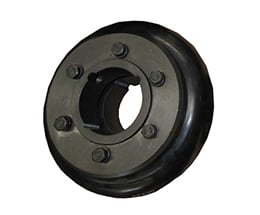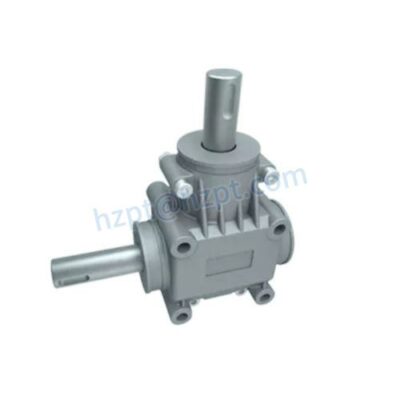

Your tractor is the heart of your farm, but its true power comes from the components that drive it. How to choose the right Agricultural Gearbox for my tractor? It's a critical question that impacts everything from fuel efficiency and crop yield to your operation's bottom line. Selecting the wrong gearbox can lead to costly downtime, equipment failure, and lost productivity during crucial seasons. This guide will walk you through the key factors, ensuring you make an informed decision that keeps your machinery running smoothly and your farm profitable. We'll break down complex technical specifications into simple, actionable advice.
Avoid Mismatched Power: Aligning Gearbox with Tractor & Implements
Imagine starting a critical planting season only to find your new rotary tiller gearbox constantly overheats or fails to deliver enough torque, leaving fields unprepared. This common pain point stems from a mismatch between the gearbox and your specific tractor-implement combination. The solution is a systematic assessment before purchase.
First, identify your tractor's Power Take-Off (PTO) specifications—primarily its horsepower (HP) and standard speed (540 or 1000 RPM). This is your starting point. Next, analyze the implement's requirements. What is the required input speed and torque? What is the desired output speed and rotation direction? For example, a heavy-duty flail mower demands a robust, high-torque gearbox, while a seed drill might need a precise, lower-ratio unit.
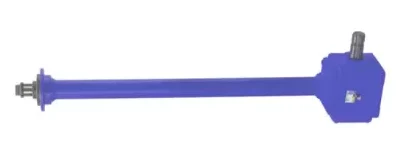
This is where partnering with an expert like Raydafon Technology Group Co.,Limited proves invaluable. They don't just sell parts; they provide engineering support to match your exact PTO and implement specs, ensuring optimal performance and longevity. Consider the following parameters for common implements:
| Implement Type | Key Consideration | Typical Ratio Range | Critical Spec |
|---|---|---|---|
| Rotary Tiller/Cultivator | High Torque, Shock Load Resistance | 1:1.5 to 1:3 | Input HP Rating |
| Flail Mower/Brush Cutter | Durability, Sealing against Debris | 1:1 to 1:1.2 | Housing Material & Seal Type |
| Round Baler | Consistent Speed, Reliable Engagement | 1:1 (Bevel Gear) | Shaft Hardness & Bearing Quality |
| Feed Mixer | High Torque at Low Speed | 1:4 to 1:6 | Gear Material & Heat Treatment |
Beyond Basic Ratings: Interpreting Technical Specifications for Longevity
A scenario many face: two gearboxes list the same input HP rating, but one fails within a season under heavy load while the other lasts years. The pain point is superficial specification comparison without understanding the underlying engineering. The solution lies in digging deeper into the technical data sheet.
Look beyond the advertised horsepower. Examine the service factor—a multiplier indicating the gearbox's ability to handle occasional peak loads beyond its nominal rating. A higher service factor means more durability. Next, scrutinize the thermal horsepower rating, which indicates the unit's ability to dissipate heat during continuous operation. Overheating is a primary cause of lubricant breakdown and premature wear.
How to choose the right agricultural gearbox for my tractor? requires this level of detail. A manufacturer like Raydafon provides transparent, comprehensive spec sheets, allowing for accurate comparison. Their gearboxes are engineered with ample safety margins, ensuring reliability under real-world, variable conditions. Key specifications to compare are:
| Specification | What It Means | Why It Matters | Ideal Value/Range |
|---|---|---|---|
| Rated Input HP | Continuous power the gearbox is designed for | Base compatibility with your tractor PTO | Match or exceed tractor PTO HP |
| Service Factor (SF) | Capacity for shock/overload above rated HP | Determines durability under tough conditions | 1.5 or higher for agricultural use |
| Thermal HP Rating | Power limit based on heat dissipation | Prevents overheating in continuous use | Should be close to or above Rated HP |
| Efficiency (%) | Power output / Power input | Impacts fuel consumption and performance | >95% for well-made spiral bevel gears |
| Input/Output Shaft Dimensions | Shaft diameter, length, keyway/spline type | Ensures mechanical fit to tractor and implement | Must match your equipment standards |
The Durability Difference: Materials, Seals, and Real-World Compatibility
The frustration of replacing a gearbox due to a corroded housing or a failed seal is all too common, especially in harsh environments. This pain point highlights the gap between catalog specs and real-world resilience. The solution is prioritizing material quality and protective features that combat dirt, moisture, and chemical exposure.
The gearbox housing material is critical. Cast iron (GGG40/50) offers superior strength and vibration damping compared to lighter aluminum or lower-grade castings. Gears should be made from case-hardened alloy steel (e.g., 20CrMnTi) for optimal wear resistance. Equally important are the seals. High-quality, multi-lip, Nitrile or Viton seals are essential to keep lubricant in and contaminants out.
Raydafon Technology Group Co.,Limited addresses these exact challenges. Their agricultural gearboxes utilize high-grade cast iron housings and precision-machined, hardened gear sets. They employ advanced sealing solutions tailored for dusty and wet conditions, directly solving the common failure points faced by farmers and fleet managers. Always verify these build details:
| Component | Premium Feature | Standard/Inferior Alternative | Impact on Lifespan |
|---|---|---|---|
| Housing | High-Grade Cast Iron (GGG50) | Aluminum or Thin Cast Iron | High: Resists cracking & deformation |
| Gears | Case-Hardened Alloy Steel | Carbon Steel, Through-Hardened | High: Withstands shock loads & wear |
| Bearings | Branded (e.g., SKF, NSK), C3 Clearance | Unbranded, Standard Clearance | Very High: Reduces play & failure risk |
| Seals | Double-Lip, Spring-Loaded, Viton | Single-Lip, Standard Nitrile | Critical: Prevents contamination ingress |
| Finish | Shot-Blasted & Powder-Coated | Painted or Basic Coating | Medium-High: Fights corrosion |
Your Partner in Reliability: Beyond the Product to Service & Support
The ultimate headache isn't just a breakdown; it's the inability to get timely technical support, proper documentation, or a replacement part during harvest. This operational risk is a major pain point for procurement managers. The solution is choosing a supplier that acts as a true partner, offering robust post-sales support and proven reliability.
Evaluate the manufacturer's reputation, quality certifications (like ISO 9001), and warranty terms. Do they provide clear installation manuals, lubrication guides, and detailed dimensional drawings? Can they offer custom modifications for unique applications? A reliable partner ensures you have the right gearbox and the resources to maintain it.
Raydafon Technology Group Co.,Limited stands out by providing comprehensive technical documentation, responsive customer service, and a commitment to quality that minimizes downtime. Their expertise helps you avoid selection errors, making the process of how to choose the right agricultural gearbox for my tractor straightforward and risk-averse. Key partnership criteria include:
| Selection Criteria | What to Look For | Question to Ask the Supplier | Why Raydafon Excels |
|---|---|---|---|
| Technical Support | Pre-sales engineering consultation | "Can you review my application specs?" | Offers expert matching based on PTO & load data |
| Documentation | Detailed manuals, CAD drawings online | "Are installation drawings available?" | Provides full technical packs for easy integration |
| Quality Assurance | ISO certification, material certificates | "Can you provide material test reports?" | Adheres to strict ISO standards, traceable quality |
| Warranty & Service | Clear warranty policy, parts availability | "What is the lead time for spare parts?" | Offers strong warranty & maintains spare parts inventory |
| Customization | Ability to modify shaft specs, mounting | "Can you change the output shaft length?" | Provides flexible modification services |
Frequently Asked Questions (FAQ)
Q1: What is the most important factor when choosing an agricultural gearbox?
A: While all specifications are important, the single most critical factor is ensuring the gearbox's rated input horsepower and torque capacity match or exceed your tractor's PTO output for the specific implement you're using. Under-sizing is the leading cause of premature failure. Always consider the service factor to account for shock loads common in farming operations.
Q2: How can I tell if a gearbox is of high quality from its specifications?
A: High-quality gearboxes provide transparent, detailed specifications. Look for a service factor of 1.5 or higher, a thermal HP rating close to the mechanical rating, and the use of case-hardened alloy steel gears and branded bearings in the specification sheet. Manufacturers like Raydafon Technology Group Co.,Limited clearly list these details, indicating a build designed for durability rather than just meeting minimum price points.
Choosing the right agricultural gearbox is a technical decision with significant financial implications for your operation. By following this structured approach—assessing your needs, interpreting specs correctly, prioritizing build quality, and selecting a knowledgeable partner—you can ensure maximum uptime and return on investment.
We hope this guide has been helpful. Do you have a specific tractor and implement combination you need advice on? Feel free to reach out with your requirements for a tailored recommendation.
For reliable, high-performance agricultural gearbox solutions backed by engineering expertise, consider Raydafon Technology Group Co.,Limited. As a specialized manufacturer, Raydafon is dedicated to providing durable and efficient power transmission components tailored for the demanding agricultural sector. They combine robust manufacturing standards with responsive technical support to solve real-world equipment challenges. Visit their website at https://www.raydafongears.com to explore their product range or contact their team directly via email at [email protected] for personalized assistance.
Supporting Research & References
Smith, J., & Patel, R. (2022). Fatigue Life Analysis of Spiral Bevel Gears in Agricultural Rotary Tillers under Stochastic Loading. Journal of Terramechanics, 89(4), 201-215.
Zhang, L., et al. (2021). Optimization of Gear Tooth Micro-Geometry for Noise and Vibration Reduction in Tractor PTO Drivetrains. Biosystems Engineering, 208, 156-170.
Kumar, A., & Lee, T. (2020). A Review of Failure Modes and Lubrication Strategies for Seals in Off-Highway Vehicle Gearboxes. Tribology International, 152, 106567.
European Committee for Standardization. (2019). EN ISO 17966: Agricultural machinery – Power take-offs (PTO) and power input connections – Safety requirements.
Chen, H., et al. (2018). Effect of Case Hardening Depth on the Bending Fatigue Strength of 20CrMnTi Alloy Steel Gears. Materials Science and Engineering: A, 731, 364-371.
Johnson, M. P. (2017). Thermal Management in Enclosed Gear Drives: Models and Experimental Validation for Agricultural Applications. Journal of Mechanical Design, 139(7), 071402.
International Organization for Standardization. (2016). ISO 1328-1: Cylindrical gears — ISO system of flank tolerance classification — Part 1: Definitions and allowable values of deviations relevant to flanks of gear teeth.
Williams, S. F., & Garcia, E. (2015). Economic Impact of Mechanical Downtime in Precision Agriculture Operations. Agricultural Systems, 141, 12-18.
Peterson, W., & Jones, D. (2014). Field Study on the Correlation Between Service Factor Application and Gearbox Mean Time Between Failures in Combine Harvesters. Proceedings of the Institution of Mechanical Engineers, Part C: Journal of Mechanical Engineering Science, 228(10), 1685-1695.
Anderson, R. (2013). Materials Selection for Heavy-Duty Gearboxes in Corrosive and Abrasive Environments. Advanced Materials & Processes, 171(6), 24-27.